Wood Chipper Selection Guide from Golden Equation
Why Invest in a Wood Chipper?
The global forestry industry continues to expand, with market projections estimating it will exceed $17 billion by 2026 (Global Market Insights). This growth underscores the value of efficient wood processing equipment. From seasonal yard clean-ups to large-scale forestry management, wood chippers offer an efficient way to manage branches, leaves, and other wood residues.
A wood chipper not only simplifies waste management but also produces uniform wood chips that can be repurposed as mulch, compost, or biomass fuel. Whether you are a gardening enthusiast or a commercial operator, a wood chipper is a practical investment for sustainable resource management.
What Is a Wood Chipper?
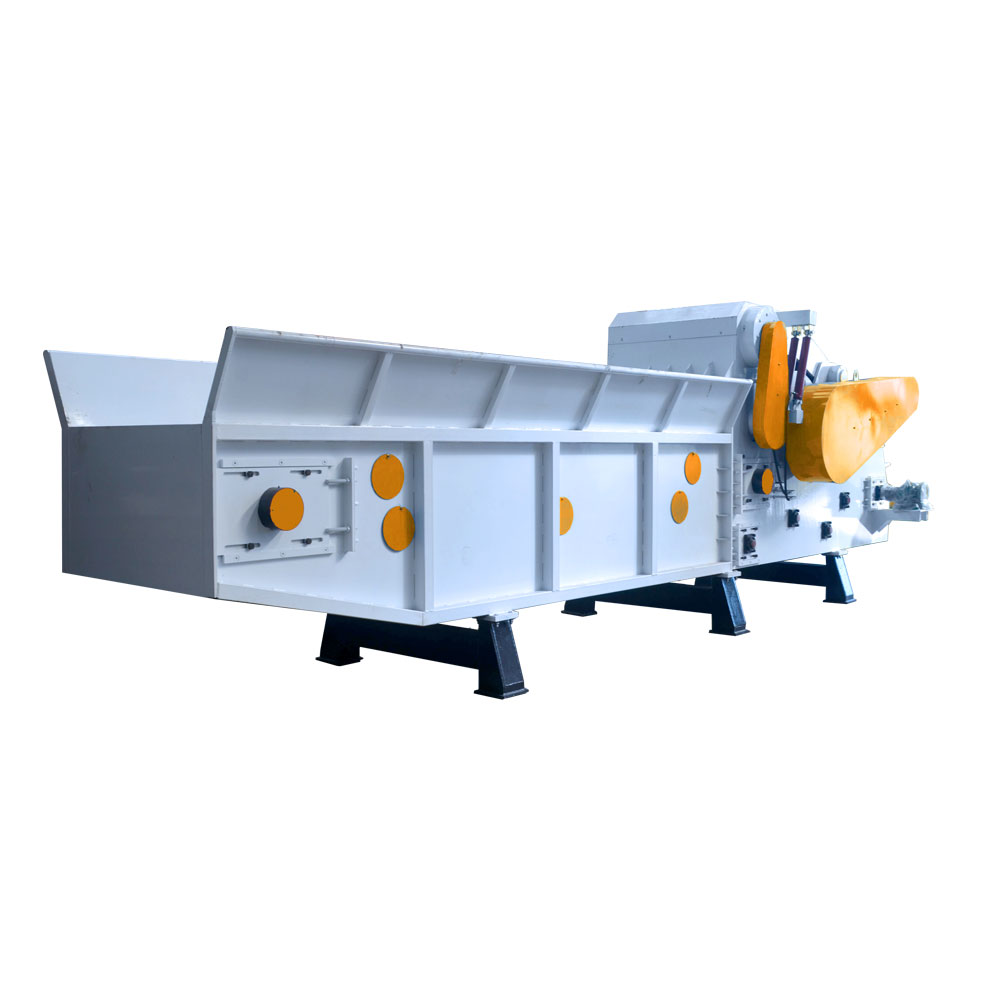
A wood chipper (also referred to as a tree chipper) is a mobile machine designed to reduce tree limbs, trunks, and branches into evenly sized wood chips. Most models are equipped with wheels and powered by an internal combustion engine, ensuring portability and operational efficiency.
Material is fed through a hopper fitted with a safety collar, guiding debris into the cutting mechanism. The resulting wood chips are discharged into a collection container or truck. Chip size can be adjusted based on the machine’s configuration and cutting system.
Types of Wood Chippers
Wood chippers come in various designs to match different applications. Common types include:
1. Electric Wood Chipper
Ideal for residential use, electric chippers are compact, lightweight, and easy to operate. They require minimal maintenance, produce no exhaust fumes, and are energy-efficient. These models are best suited for processing small branches and soft garden waste.
2. Petrol Wood Chipper
Designed for more demanding tasks, petrol-powered chippers deliver higher torque and performance. They are capable of handling thicker branches and dense wood, making them suitable for both large properties and commercial use. Their robust construction ensures reliability in heavy-duty chipping operations.
Key Factors to Consider
1. Feed Capacity
Check the maximum branch diameter the chipper can process. For domestic use, a model with a capacity of up to 100mm is typically sufficient. Industrial operations may require chippers capable of handling larger diameters.
2. Power Output
Consider the engine power, measured in horsepower (HP). Hardwood and larger volumes require higher HP for smooth operation. Petrol models generally offer more power, making them suitable for intensive use.
3. Additional Features
Look for practical features such as:
Safety mechanisms
Hopper design and accessibility
Blade quality and durability
Ease of storage and mobility
Warranty and spare parts availability
Conclusion
Selecting the right wood chipper depends on your specific needs—including the type and volume of material you process, power requirements, and intended use. When chosen correctly, a wood chipper can significantly improve efficiency and sustainability in garden maintenance or commercial wood processing.
For those interested in biomass production, pairing a wood chipper with a pellet machine offers an excellent solution for converting raw wood chips into renewable fuel sources.